





How To Prevent The Seasonal Spread of Red Mites
What they are and why they become a problem in warmer months
As temperatures rise, so does the risk of your bird housing, whether that’s a coop, aviary, cage setup, or pigeon loft, becoming infested with blood-sucking red mites. Fortunately, there are effective ways to prevent their seasonal spread.
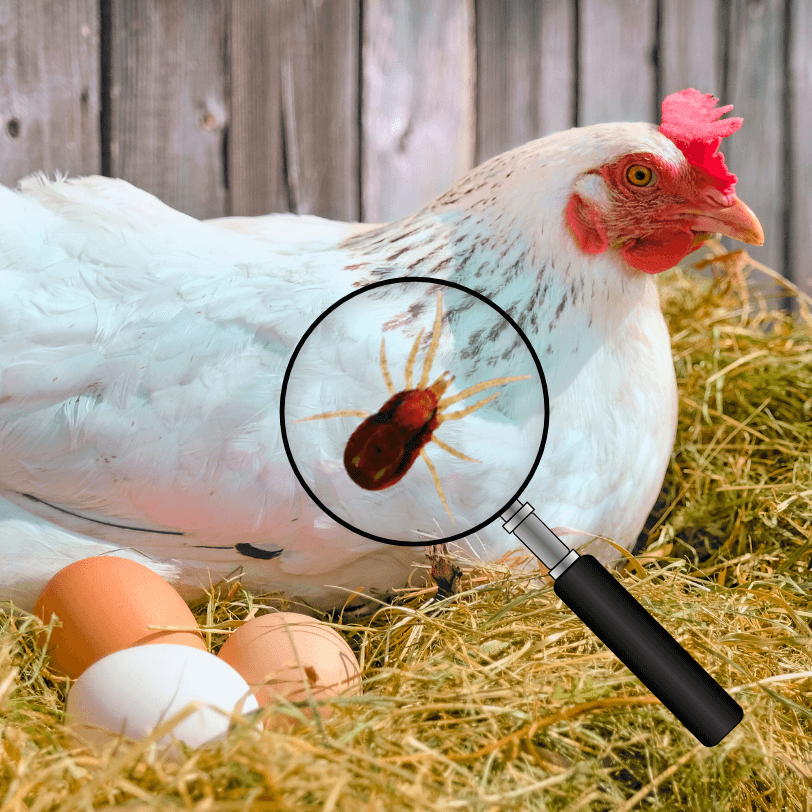
Red mites are among the most troublesome pests for bird keepers, affecting not only chickens but also cage birds, aviary species, and racing pigeons. These parasites are nocturnal, meaning you may never see them during the day. Instead, they hide in cracks, joints, perches, nest boxes, and loft structures, emerging at night to feed on your birds’ blood before retreating to digest and reproduce.
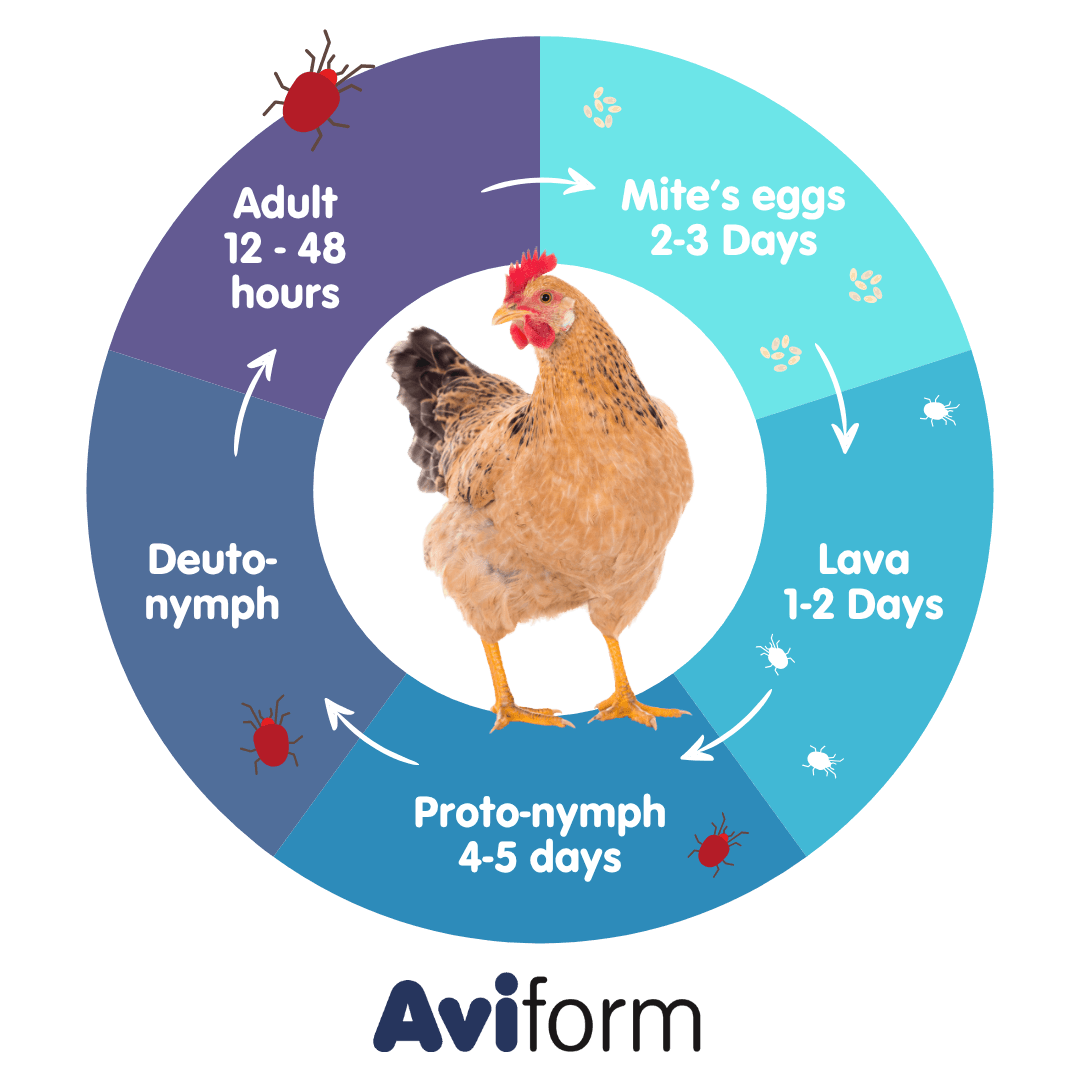
Under ideal conditions, a single mite can develop from egg to reproducing adult in as little as one week, allowing populations to multiply rapidly if left unchecked. To make matters worse, adult mites can survive for months without feeding, and their eggs can remain dormant for extended periods, making infestations difficult to eliminate once established.
Why Are Red Mites Worse in Warm Weather?
While year-round vigilance is important, warmer temperatures significantly accelerate the red mite lifecycle. Heat speeds up breeding cycles and increases mite activity, particularly during mild nights when feeding is easiest.
In enclosed environments such as aviaries, cages, and pigeon lofts, warmth combined with humidity can create ideal breeding conditions. Although extremely high temperatures (above 40°C) can reduce mite survival over time, typical summer conditions in the UK and similar climates are highly favourable for rapid infestation.
How Do I Know If My Birds Have Red Mites?
Because red mites are active at night, infestations are often detected through changes in your birds’ behaviour and condition rather than by seeing the mites themselves.
Common signs across poultry, cage birds, aviary birds, and pigeons include:
Restlessness or agitation, especially at night
Reduced egg production in laying birds
Poor egg quality (thin shells or blood spots)
Pale combs, wattles, or skin due to blood loss
Weight loss or reduced condition in pigeons and aviary birds
Reluctance to enter nesting or roosting areas
Visible specks (grey/red dust) around perches, nest boxes, or loft fittings
Red mite can cause:
Red mite infestations can have serious consequences across all bird types:
- Stress and discomfort
- Reduced breeding performance
- Lower egg production and quality
- Transmission of bacterial and viral diseases
- Feather pecking or self-trauma
- Anaemia in severe infestations
- Reduced performance in racing pigeons
The Solution
Prevention is always more effective than treatment. The key is to make both your birds and their environment less attractive to parasites from the outset.
.One simple and effective approach is adding a natural supplement to your birds’ drinking water, such as red mite prevention by Aviform.
This 100% natural, non-toxic liquid supplement is suitable for poultry, cage birds, aviary species, and racing pigeons. Developed by Aviform, trusted in avian healthcare since 1977. It works from the inside out. When added to drinking water, it helps birds naturally repel ectoparasites, including red mites, when they attempt to feed.
Formulated using a blend of aromatics, herbs, spices, and essential oils, it contains no poisons or harmful chemicals. This means it is safe for both birds and handlers and will not affect egg production, breeding, or performance, making it ideal for both hobbyists and competitive pigeon fanciers.

Year-Round Prevention Strategy
While supplements are a valuable tool, effective mite control requires a consistent, year-round approach across all bird housing systems.
Spring Preparation:
- Deep clean and disinfect cages, aviaries, and lofts
- Replace bedding and nesting materials
- Inspect for cracks, joints, and hiding places
- Begin preventative supplementation early
Summer Maintenance:
- Monitor birds closely for behavioural changes
- Clean and inspect housing regularly
- Pay extra attention to perches, nest boxes, and loft fittings
- Maintain ventilation to reduce humidity
Autumn & Winter Checks:
- Continue routine inspections
- Remove debris and old nesting material
- Prevent the build-up of dormant mites and eggs
- Ensure birds remain stress-free during colder months
Maintaining this seasonal routine will significantly reduce the risk of infestation and support the health and well-being of all your birds.
Do I need to stop eating eggs while using MITEY STUFF!?
No. Eggs remain safe to eat while using MITEY STUFF!, as it contains no harmful chemicals.
When are red mites most active?
Red mites are most active during the warmer months, particularly in summer, when higher temperatures speed up their lifecycle and reproduction.
Can red mites affect other animals or humans?
Red mites primarily depend on birds to complete their lifecycle. However, they can occasionally bite humans or other animals, causing temporary irritation.
Should I check for mites in winter?
Yes. Regular inspection during winter is important to prevent dormant mites and eggs from establishing and becoming active in spring.

